
If you want your tours to appear on Google when travelers search for activities in your city, focus on these key steps:
-
Claim and Optimize Your Google Business Profile:
- Ensure your business name, address, and phone number (NAP) are consistent.
- Use specific categories like "Tour Operator."
- Add photos of your tours and encourage customer reviews.
-
Target the Right Keywords:
- Research keywords travelers use, such as "sunset boat tours [City]."
- Focus on intent-driven phrases like "Book kayak tour Miami."
-
Create Dedicated Web Pages:
- Build individual pages for each tour with clear titles, city names, and booking options.
- Use mobile-friendly design and fast-loading pages.
-
Use Google Tools and Ads:
- Leverage Google Search Console and Analytics to monitor traffic.
- Run Google Ads targeting local searches like "Things to do in [City]."
-
Build Local Partnerships:
- Collaborate with hotels, restaurants, and tourism boards for backlinks and visibility.
- Get listed on local tourism sites.
-
Encourage Reviews and Photos:
- Ask customers to leave reviews and share photos of their experience.

6 Steps to Get Your Tours on Google Search Results
How Travelers Search for Activities in Your City
What People Type When Looking for Local Activities
Understanding how travelers search online can significantly boost your tour's visibility on Google. During the planning phase, people often use informational queries like "Best time to visit Sedona" or "What to see in NYC". These searches help them gather general information about their destination. Once they’re ready to book, their searches shift to transactional phrases such as "Jeep tours in Sedona" or "sunset sailboat tours in San Diego". These queries usually combine an activity with a specific location, signaling a strong intent to make a reservation.
Local searches are common when travelers are already in your area. They might use phrases like "Kayaking tours near me" or "Things to do near me" to find immediate options. Seasonal searches also play a role, with queries like "Things to do in Boulder in winter" often spiking during specific times of the year.
Find the Keywords Your Customers Use
A great place to start your keyword research is Google Autocomplete. Type something like "boat tours in [Your City]" into the search bar, and take note of the suggestions that pop up. These recommendations give you a glimpse into what people are actively searching for in real time. Additionally, the "People Also Ask" boxes in search results can reveal common questions travelers have, providing opportunities to target long-tail keywords.
To refine your strategy, combine your city name with specific activities and intent-based phrases. For instance, a term like "ghost tours Savannah historic district" is much more focused than just "ghost tours". Broader terms like "travel itinerary" might have high search volumes - around 48,000 monthly searches in the U.S. - but more specific phrases like "how to make an itinerary" (with about 800 searches) are easier to rank for and often attract more targeted traffic.
"The biggest mistake I see people making with keyword research is simply not doing it... We have to understand how potential customers are searching - and specifically, the intent of their search query - so that we're able to create content and optimize that content to show up well for those searches." – Greg Gifford, VP of Search, Search Lab
By aligning your content with these insights, you can focus on the keywords that have the potential to drive actual bookings.
Target Keywords That Lead to Bookings
The intent behind a search query matters. For example, someone searching "Best hikes in Sedona" is probably in the research phase, while a query like "Book kayak tour in Miami" shows clear booking intent. To attract customers ready to commit, focus your tour pages on transactional keywords that include terms like "book", "tour", or "guide" alongside your city name.
Long-tail keywords are especially useful for smaller operators. While broad terms like "tours in New Orleans" are highly competitive, a phrase like "ghost tours in New Orleans for families" targets a niche audience that’s more likely to book. Although these specific phrases may have lower search volumes, they often lead to higher conversion rates.
Another trend to watch is the rise of "vibe" searches, where travelers describe the kind of experience they’re looking for. Instead of generic terms, they might search for phrases like "romantic gondola ride" or "hidden gem food experiences". Craft your keyword strategy around these intent-driven searches to attract the right audience, rather than trying to compete for overly broad and highly competitive terms.
Easy Google Business Profile SEO Tips to Boost Local Visibility on both Maps & Search.
Set Up Your Google Business Profile
Your Google Business Profile is a free, high-impact tool to increase your visibility in local search results. It works hand-in-hand with your SEO efforts by focusing on three key factors: relevance (how well your profile matches a search), distance (how close your business is to the searcher), and prominence (how well-known your business is through reviews and links). A fully completed profile can make customers 70% more likely to visit your business and 50% more likely to consider making a purchase. Here’s how to claim your profile and maximize its potential.
Claim or Create Your Profile
Start by searching for your business on Google Maps. If it’s already listed, claim it. If not, you’ll need to create a new profile from scratch. Make sure to use a Google Account tied to a company email address for a professional touch.
For tour operators, face-to-face interaction with customers is key - whether at a storefront or designated meeting spots. If you operate from home, you can set up a "Service-area business" profile, which hides your home address but highlights the regions you serve.
Google will require verification to confirm ownership. Depending on your setup, this might involve a video call, phone call, text, email, or postcard.
Fill Out All Business Information
Once verified, it’s time to complete your profile. Use your exact business name - don’t add extra keywords, as this violates Google’s rules and could lead to suspension. Ensure your business name, address, and phone number (NAP) are consistent across your website, social media, and Google profile. This consistency is crucial for improving your rankings.
Select the most specific primary category for your business, such as "Tour Operator" or "Boat Tour Agency", rather than a broad term like "Travel Agency". If you offer additional services, you can include one or two secondary categories, but only if they’re relevant.
Write a compelling 750-character description that naturally incorporates your city and the type of tours you offer. For instance: "Since 2015, we've been leading ghost tours through Savannah's historic haunted sites, sharing authentic stories passed down through generations." Don’t forget to fill in your hours of operation, phone number, website URL, and any attributes that apply, like "wheelchair accessible" or "outdoor activities".
"Businesses with complete and accurate info are more likely to show up in local search results." – Google Business Profile Help
With your profile details in place, you can further enhance your local presence by adding visuals and managing reviews actively.
Add Photos and Get Reviews
Photos play a big role in boosting visibility. Adding images can increase direction requests by 42%. Upload at least three pictures of your business exterior and three showing the interior or your tours in action. For tour operators, include shots of your team, equipment, and happy customers enjoying the experience. A diverse photo gallery ensures you appear in more search queries, as Google often chooses images based on what users are searching for.
Customer reviews are equally important. In fact, 83% of people check Google reviews before deciding on a local business. Reviews not only attract more customers but also improve your prominence ranking factor. Many businesses notice a ranking boost after reaching just 10 reviews. Use the review link from your dashboard to encourage feedback, and make it a habit to respond to all reviews - positive or negative. This shows engagement and builds trust. However, offering incentives for reviews is against Google’s policies and can result in suspension.
Regularly updating your profile with fresh content and engaging with customers will keep you visible and improve your chances of appearing in local search results.
Optimize Your Website for Google Search
Once you've fine-tuned how travelers discover your business and optimized your Google Business Profile, it's time to focus on your website. Your website plays a key role in turning local search queries into bookings. Google prioritizes pages that align closely with search intent. Factors like your site's structure and speed can make or break your visibility, especially since nearly 46% of all Google searches have local intent. A technically sound website is essential for standing out in local search results.
Create Separate Pages for Each Tour
Every tour you offer should have its own dedicated landing page. Why? Google favors specific pages that match exact search queries - like "Ghost Tour in Savannah" - over generic pages labeled "Services." By creating individual pages, you can target the exact phrases travelers are searching for, such as "Private Walking Tours in Boston" or "Sunset Cruises in Key West." These pages should provide all the details a potential customer needs to make a booking decision.
Design these pages with clear, descriptive URLs (e.g., /sunset-kayak-tour-lake-tahoe), logical internal links that guide visitors to related content, and easy-to-spot "Book Now" buttons. This setup helps both Google and your visitors quickly understand what each page offers.
Write Clear Titles with City Names
Your page titles and headings are crucial for ranking in local searches. Make sure to include primary keywords along with your city name in title tags, headings, URLs, and within the first 100 words of your content. For example, a title like "Private Walking Tours in Boston | [Your Business Name]" clearly communicates what you offer and where.
Incorporate U.S.-specific details to align with search intent, such as prices in USD (e.g., "$89 per person") and tour durations in hours (e.g., "2.5-hour tour"). Use compelling meta descriptions to summarize each page and encourage clicks, and add descriptive alt text to your images with location-specific keywords - like "tourists enjoying sunset cruise in Key West."
"Google doesn't rank the best tour - it ranks the most relevant page." – Drew, Founder, Tour Boss
Make Your Site Fast and Mobile-Friendly
With most travelers searching from their phones, your site needs to load quickly and work seamlessly on mobile devices. If your site takes too long to load or has buttons that are hard to click, visitors will leave - and Google notices. Google evaluates user experience using three Core Web Vitals: Largest Contentful Paint, First Input Delay, and Cumulative Layout Shift.
Use tools like PageSpeed Insights to test your site's speed. Make sure "Book Now" buttons are large and easy to tap, and use responsive design to ensure your site looks great on any screen. Aim for a booking process that requires no more than two clicks.
To further enhance your site's performance in search results, implement schema markup using JSON-LD structured data. This helps Google display rich snippets - like prices, star ratings, and tour durations - directly in search results. Also, ensure your business name, address, and phone number (NAP) are consistent across your website and directories, as this builds trust with search engines.
These updates not only improve your website's usability but also strengthen your overall online presence. When combined with your Google Business Profile and keyword strategy, these optimizations can significantly boost your visibility in local search results.
sbb-itb-3dd36ef
Use Google Tools and Ads to Increase Visibility
Take advantage of paid ads and analytics tools to enhance your visibility among travelers actively searching for experiences. Google offers a variety of tools tailored for tour operators, helping your tours show up when people search for "things to do in [city]." By launching targeted campaigns and tracking what works, you can attract more bookings.
Monitor Your Search Performance
Before diving into paid ads, it's essential to understand which searches are already driving traffic to your site. Google Search Console is a great starting point - it shows you the keywords people use before landing on your pages and how often your site appears in search results. Checking Search Console monthly can help you spot seasonal trends and adjust your strategy accordingly.
Once visitors land on your site, Google Analytics becomes your go-to tool. It reveals how users interact with your content, showing which pages hold their attention and which traffic sources lead to bookings. For instance, if people who search for "sunset cruise Miami" spend more time on your page compared to other keywords, you’ll know where to focus your efforts. Use these insights to refine your ad campaigns and optimize your content.
Set Up Google Ads Campaigns
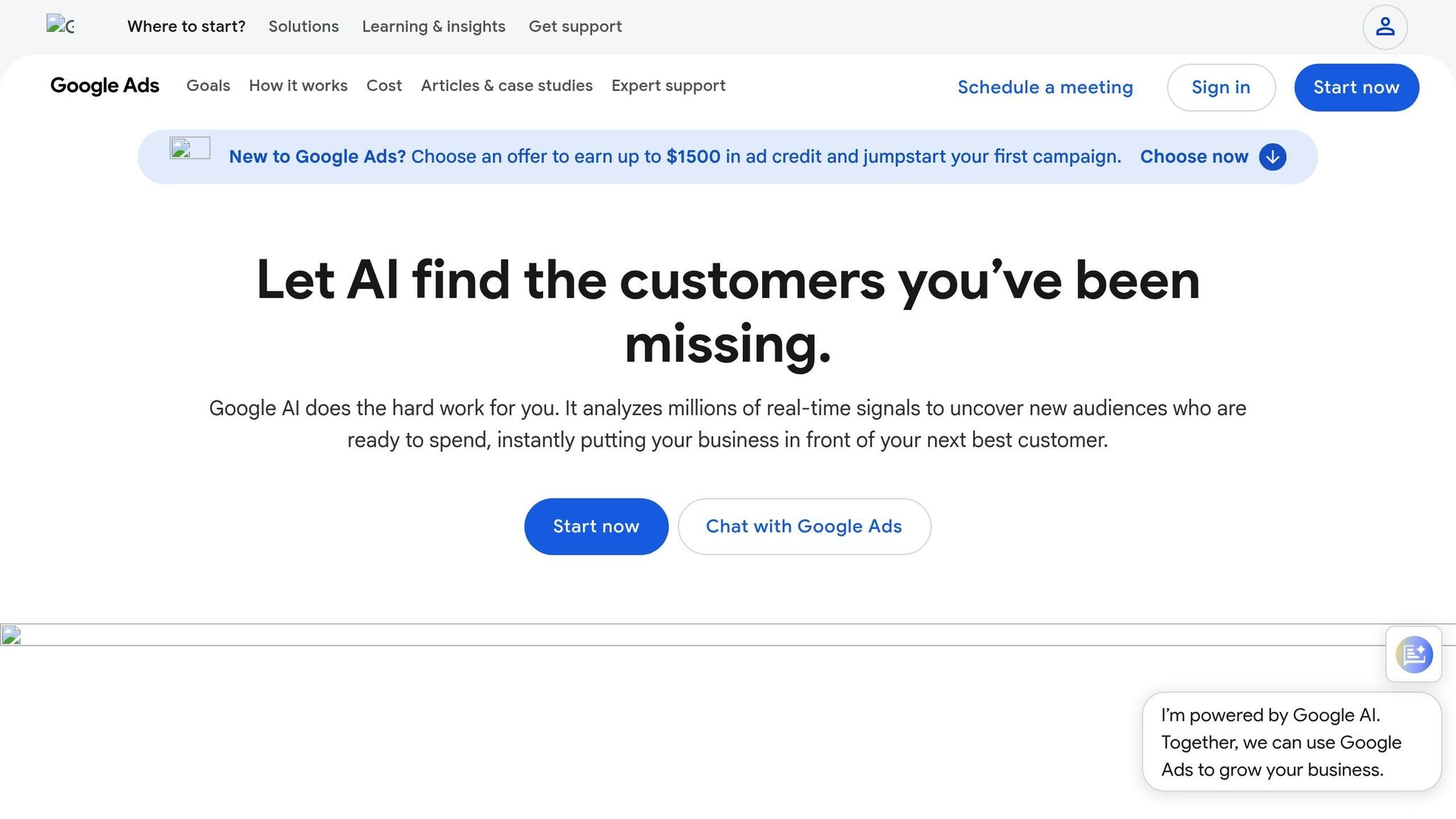
Google Travel campaigns are designed to match your tours with relevant searches automatically. Your ads can appear on Google Search or Google Maps when travelers look for activities in your area. Instead of manually selecting keywords, you upload a product feed that includes details like tour photos, pricing in USD, your business name, and booking links. Google then dynamically displays your ad based on user searches.
"Things to do ads reach travelers when they're showing interest in a particular city or destination, and Google sends the traffic from these ads directly to your landing page." - Google Ads Help
To get started, set a daily budget and use the "Maximize Conversion Value" bidding strategy with a specific Target ROAS (Return on Ad Spend). You’ll only pay when someone clicks on your ad. If you're running a smaller operation, you might want to partner with an approved connectivity provider to integrate your inventory seamlessly.
And ads are just the beginning - Google also offers tools to simplify the booking process.
Enable Direct Booking Through Google
Travelers can now book your tours directly through Google without needing to visit your website. By adding a "Tickets" or "Activities" section to your Google Business Profile, you can provide a ticket name and direct booking URL. This streamlined process reduces the steps between a search and a reservation.
Google has also introduced features that let tour operators update ticket prices directly within their Business Profile, ensuring accurate pricing across Search and Maps. With this integration, your tour listings will display clear pricing alongside other local activities, making it easier for travelers to compare options and choose your offering. A smooth booking experience can make all the difference when travelers are deciding where to spend their time.
Build Your Reputation in Your City
Once your website and ads are performing well, the next step is to establish a strong local reputation. A solid local presence not only builds trust with your community but also strengthens your overall visibility strategy.
Local connections send a clear message to Google that your business is trustworthy. Search engines see links from nearby businesses as trust signals that validate your credibility. Getting backlinks from well-regarded local sites reinforces your legitimacy in Google's eyes. A great starting point? Secure listings on respected local platforms.
Get Listed on Local Tourism Sites
Start by submitting your business to your city's tourism board or Chamber of Commerce. These authoritative websites carry a lot of weight with search engines. According to Salvatore Tringali, "A link from Lonely Planet or the city's tourism board carries more weight than one from a generic directory since authoritative websites strengthen the E-E-A-T signals search engines use".
You can also submit your tours to local event calendars, regional tourism groups, and city-focused magazines. These listings combine two powerful factors: geographic relevance and institutional trust, making them especially impactful for local search rankings. Remember, it usually takes 2 to 4 months to see noticeable improvements from new, high-quality backlinks. Once you've secured these listings, the next step is to collaborate with nearby businesses.
Partner with Nearby Businesses
Forge partnerships with local hotels, B&Bs, and restaurants to get featured on their "guest resource" or "preferred partner" pages. These partnerships ensure your tours are visible to travelers at critical moments - when they’re deciding how to spend their time during their stay.
You can also create co-branded experiences with other local attractions. For example, pair your walking tour with a local restaurant to offer a "dinner and discovery" package. Not only does this enhance the guest experience, but it also helps you earn valuable local backlinks. Use tools like Google Analytics to monitor which partner sites drive the most bookings.
Encourage Customers to Share Their Experience
Ask your guests to share photos and tag your business right after their tour. User-generated content often feels more genuine than polished marketing materials and helps solidify your image as a go-to local activity provider.
Be sure to respond to every review, whether it’s glowing or critical. Thoughtful replies show potential customers that you care about feedback and are actively engaged with your audience. To make this easy, include direct links to your review profiles in follow-up emails after each tour. This small step can go a long way in building trust and encouraging more feedback.
Conclusion
Every step you take contributes to building a strong foundation for long-term online visibility. Showcasing your tours on Google involves a thoughtful, multi-faceted strategy. Start by claiming and optimizing your Google Business Profile - ensure your information is accurate, add fresh photos, and respond to reviews promptly. Create dedicated landing pages for each tour, incorporating destination-specific keywords like "sunset kayak tours in Austin" into titles and headings. Also, prioritize a fast-loading website that works flawlessly on mobile devices, as most travelers search while on the move.
"Google rewards clarity, consistency, and structure." - Tour Boss
Pair organic SEO efforts with Google Ads to achieve both immediate visibility and sustained growth. Use tools like Google Search Console and Analytics to monitor performance and identify which keywords and pages are driving bookings. Strengthen your local presence by securing listings on local tourism boards and collaborating with nearby hotels and restaurants. These partnerships not only build trust with Google but also put your tours in front of travelers when they're making critical decisions.
SEO requires patience and consistent effort. To make the process more manageable, leverage technology tools that simplify tasks like automating review requests and keeping your business information consistent across platforms. Directoury works with software providers to offer the tools you need to build a reliable tech stack that ensures your tours remain visible and accessible.
FAQs
How can I use keywords to make my tours more visible on Google?
Using the right keywords is a game changer when it comes to getting your tours noticed on Google. Start by digging into local keywords - those that combine your city, the activity you offer, and what travelers are looking for. For instance, phrases like “sunset kayak tour Seattle” or “family-friendly hiking tours Denver” align with what potential customers are typing into search bars. Zero in on long-tail keywords (phrases of three or more words). These are not only more specific but also often less competitive, making them easier to rank for.
After identifying your keywords, weave them naturally into key parts of your website. This includes the page title, meta description, headings, URL, image alt text, and the first 100 words of your content. You can also create dedicated pages or blog posts around major keywords, like a guide to “Best Sunset Kayak Tours in Seattle.” Don’t forget to update your Google Business Profile with these keywords to boost your visibility in local “near me” searches. By speaking the same language as your audience, you’ll increase your chances of being found and attract more travelers to your tours.
How can I optimize my Google Business Profile to attract more local customers searching for tours?
To get the most out of your Google Business Profile (GBP) and draw in more customers, the first step is to claim and verify your profile. This gives you full control over the information displayed. Make sure to fill out every field with accurate and consistent details - your business name, address, phone number (NAP), website, hours, and service areas. Choose a primary category that best describes your business, and add secondary categories to increase your chances of appearing in local search results. Craft a clear and engaging description, incorporating relevant keywords that showcase your tours and the areas you cover.
Enhance your profile by uploading sharp, high-quality photos that showcase your tours, popular landmarks, and unique experiences. Encourage satisfied customers to leave reviews, and make it a habit to respond to them promptly - this shows you're engaged and attentive. Use the Q&A section to address common inquiries, making it easier for potential customers to learn more about what you offer. Keep your profile active by posting updates, like seasonal tours or special deals, and enable messaging so interested customers can reach out directly.
Lastly, ensure your NAP details are consistent across your website and other online directories. This consistency builds trust and strengthens your local search ranking. By following these steps, your tours will have a better chance of standing out when people search for "things to do" in your city.
How can working with local businesses improve my tour's visibility on Google?
Partnering with local businesses - like hotels, restaurants, or museums - can do wonders for your tour’s online presence. When these businesses link to your booking page, feature your tours in their blogs, or include you in their local guides, you gain high-quality backlinks. These links not only strengthen your credibility with search engines but also help your tours rank higher in Google searches for local activities.
Such collaborations can also enhance your Google Business Profile. When your business name, address, and phone number (NAP) are consistently mentioned across partner websites, it increases your chances of showing up in Google's "map pack" for "near me" searches. On top of that, joint promotions, shared social media campaigns, and co-branded itineraries can drive highly targeted traffic from your partner's audience to your tours, leading to more bookings.
Another bonus? These partnerships often result in reviews and user-generated content, which help build trust and improve your rankings. By aligning with respected local businesses, you create a network of connections that amplifies your visibility and attracts more travelers to your offerings.