
Quick Answer: Starting with social media like Facebook and Instagram is a cost-effective way to test your business idea and attract initial bookings. However, investing in a website early on can give you more control, streamline bookings, and help grow your business over time.
Key Points:
- Social Media Pros: Free or low-cost, easy to reach potential customers, great for engaging visuals and local groups.
- Social Media Cons: Limited control, manual booking processes, and reliance on platform rules.
- Website Pros: Full control, better for search engine visibility, automated bookings, and scalable as your business grows.
- Website Cons: Higher upfront cost and setup effort.
Best Approach:
- Start with social media for quick visibility and customer feedback.
- Plan to build a website as soon as you see steady interest, so you can scale and handle bookings more efficiently.
Quick Comparison:
| Factor | Website | Social Media Only |
|---|---|---|
| Start-up Cost | Higher upfront investment | Free or very low cost |
| Ease of Booking | Automated, secure systems | Manual, time-consuming |
| Control | Full control over content | Limited by platform rules |
| Scalability | Grows with your business | Harder to manage as demand grows |
| Audience Reach | Search engine visibility | Fast exposure, platform-dependent |
For long-term success, balancing both tools is ideal. Use social media to build interest and a website to establish credibility and streamline operations.
48. Pros and Cons of a Website vs Social Media
1. Using a Web Page for Trip Guides
A site just for you lets trip guides hold the reins over their web stance. Not like on social media, where you're more or less "renting" space, your web page is your solid net base - a spot you fully own and run.
How Many People You Reach
Sites work great in pulling folks who use search places like Google to set up their fun trips. When someone looks for "walk trips in Colorado" or "wine taste fun near me", your page might pop up in the hits - if it's set up for the right search words. This means folks can find your biz any time, from any tech, even if they don't use social networks.
Search things up skills let you aim at exact words that your top customers hunt for. You can make pages just right for varied trip kinds, areas, or times of the year. Each page can pull its own crowd, getting folks who are ready to book. This smart reach not only brings in traffic but also grows trust and makes your label strong.
Your Label and Trust
A good looking site right away lifts how folks see your trust level. When folks land on a neat site with clear pics, full trip info, and easy to surf pages, they see your biz as solid and known. This view is big when customers look at lots of trip guides.
Your site also gives you all the room to shape your brand. From the colors and styles to how you talk, you can make an event that tells your tale and shows off what makes your trips stand out. Social places, on the flip side, limit how you can change things and make your posts fight with lots more.
Reviews and happy words stand out more on your site. You can put up stories of fun times, photo sets of old trips, and deep info on your leaders and safety plans. This rich stuff makes clients feel sure to book big-time fun.
Handling Bookings
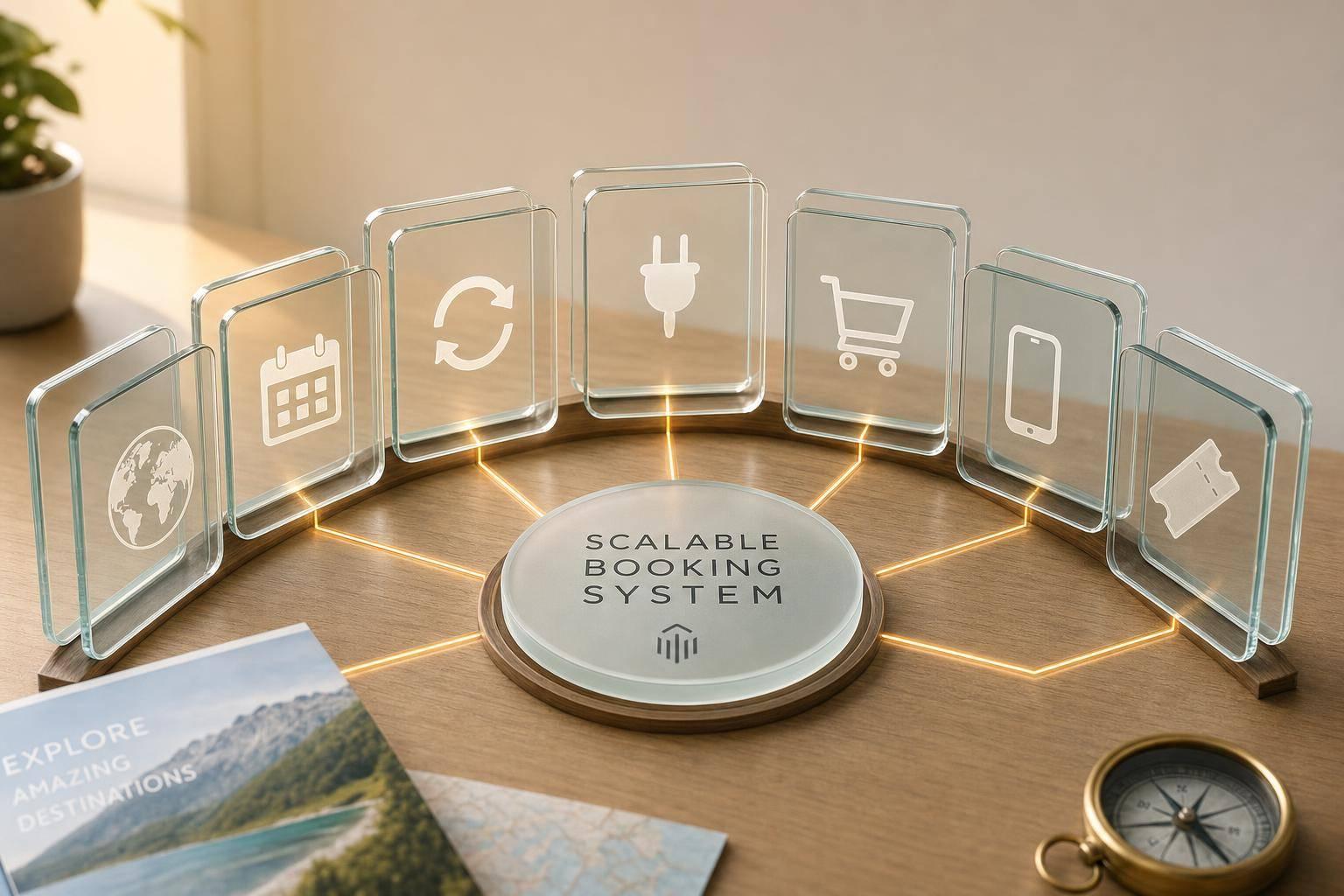
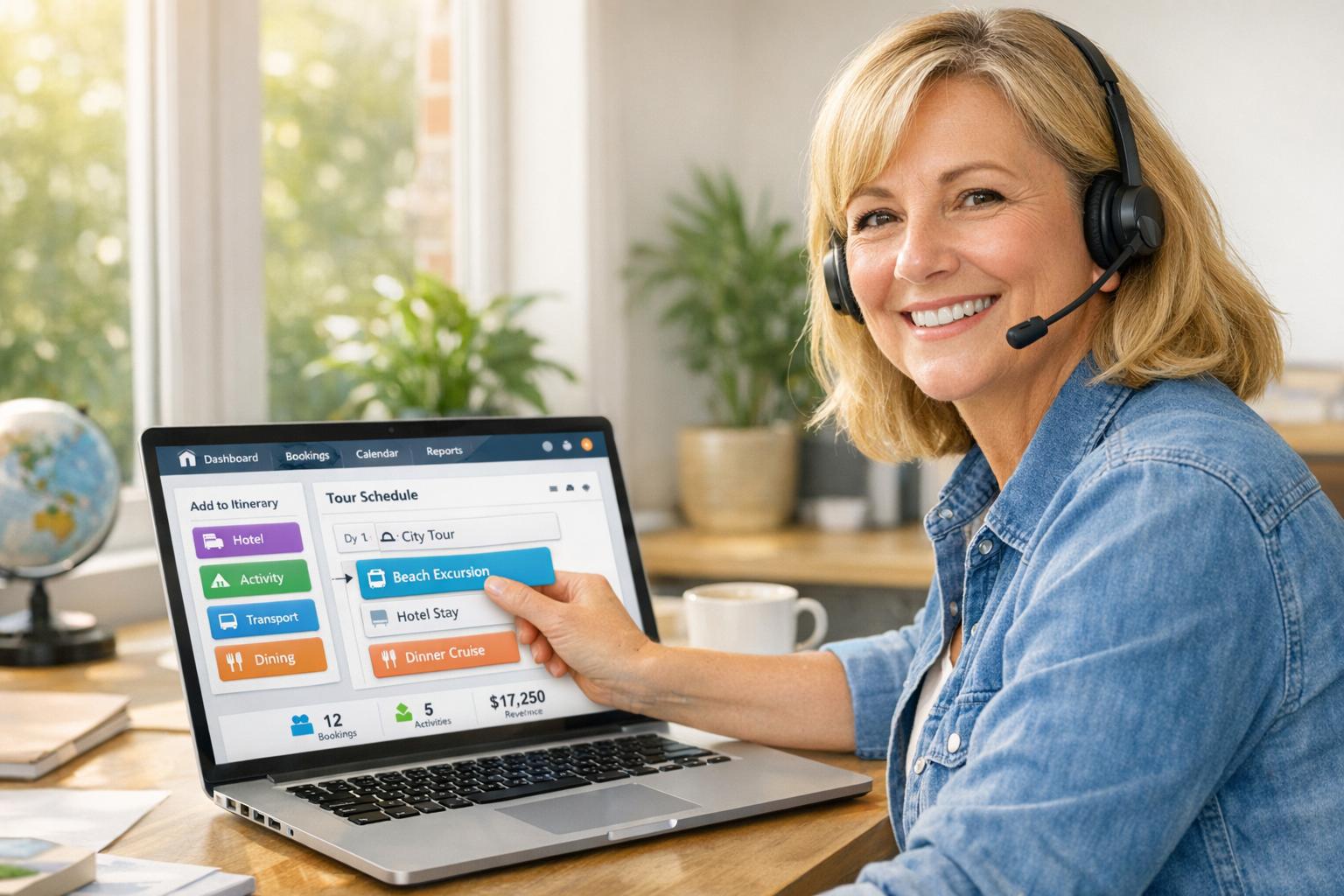
Now sites mesh smooth with booking systems that look after your trip needs. You can show when slots are open, handle group counts, deal with payments, and even smooth out welcome notes. Bits like changing prices, more sell tools, and batch bargains can boost the worth of each booking.
Not like social spots, sites offer more room in how to get paid. You can take lots of pay types, set up payment plans for costly trips, and link it all to money tools. This lets your customers have an easy time while you clean up your acts.
Big booking tools also share key biz hints. They can check how full you are, keep an eye on leader times, and pull out charts on your top trips and time slots. This info lets you make smart moves on prices, team sizes, and what's next. As your biz grows, your site can too, without dropping how well it works.
How it Grows
Websites grow as your business does. You can add new trips, spots, or services by making more pages or posts. On your own site, unlike social media, no rules or code changes can curb how many people you reach. You stay in charge.
Think of your site as a key spot that links all your ads. From emails, social media posts, to flyers, all can bring people back to your site, where they can see all you offer. This link makes every ad buck count more.
As your business gets big, your website can keep up. You can add things like many language choices, better search tools, or areas for big company bookings to draw more people. Plus, it won’t have the slow downs that often hit social media sites. Your website grows with your business, making sure it stays a strong tool for more growth.
2. Using Facebook/Instagram for Tour Operators
Sites like Facebook and Instagram help tour operators meet new customers cheap and fast. With lots of people on these sites each day, they are a great place to show off your business and get seen - this is extra true for new businesses.
Audience Reach
Facebook and Instagram can put your tour work in front of lots of people. Instagram, with its focus on good-looking stuff, is top for posting great shots of places, fun videos, and pics of happy people on your tours. This kind of thing catches eyes fast and can make folks want to know more about what you do.
Facebook, though, has ways to get you in touch with folks close by like tags and local groups. You might even pop into travel groups where people need tips. For instance, if someone asks, “Any good hikes near Denver?” you can jump in with advice and soft plug your service.
Instagram Stories and Reels let you share live things from your tour, giving people a peek into what they’re missing. These real, on-the-fly bits are good for pulling people in and boosting replies.
But, how far you can reach on social media can be hit or miss. Changes in Facebook and Instagram might drop how many see your stuff. And not like search engines, where people look for services, people on social media might find your work by chance while they aren’t really looking to buy. This makes keeping a strong feed hard.
Branding & Trust
Social media lets you show the real side of your business, setting up easier ties with potential customers. By talking back to comments, telling tales about your team, or showing what goes on behind the scenes, you can make a bond that helps build trust.
Content from users like reviews or pics they tag adds a real touch. When folks see others sharing their great times with your tours, it acts like a nudge to show you're worth it.
Yet, there’s a trick: you're making your brand on sites you don’t own. Facebook and Instagram decide how you show up, what tools you can use, and even if your account remains live. A sudden update could mess up the look you’ve worked on.
And, your stuff has to fight with a lot of others - news, updates, ads. Standing out is not easy, and while social media can help with trust, it doesn’t help much with things like handling bookings or payments.
Booking Management
Social media sites have basic tools to book, but they can be rough. Facebook lets you set up times, and Instagram has "Book Now" buttons that link to other spots or ask for messages straight up. But, these tools often need a lot of hand-holding.
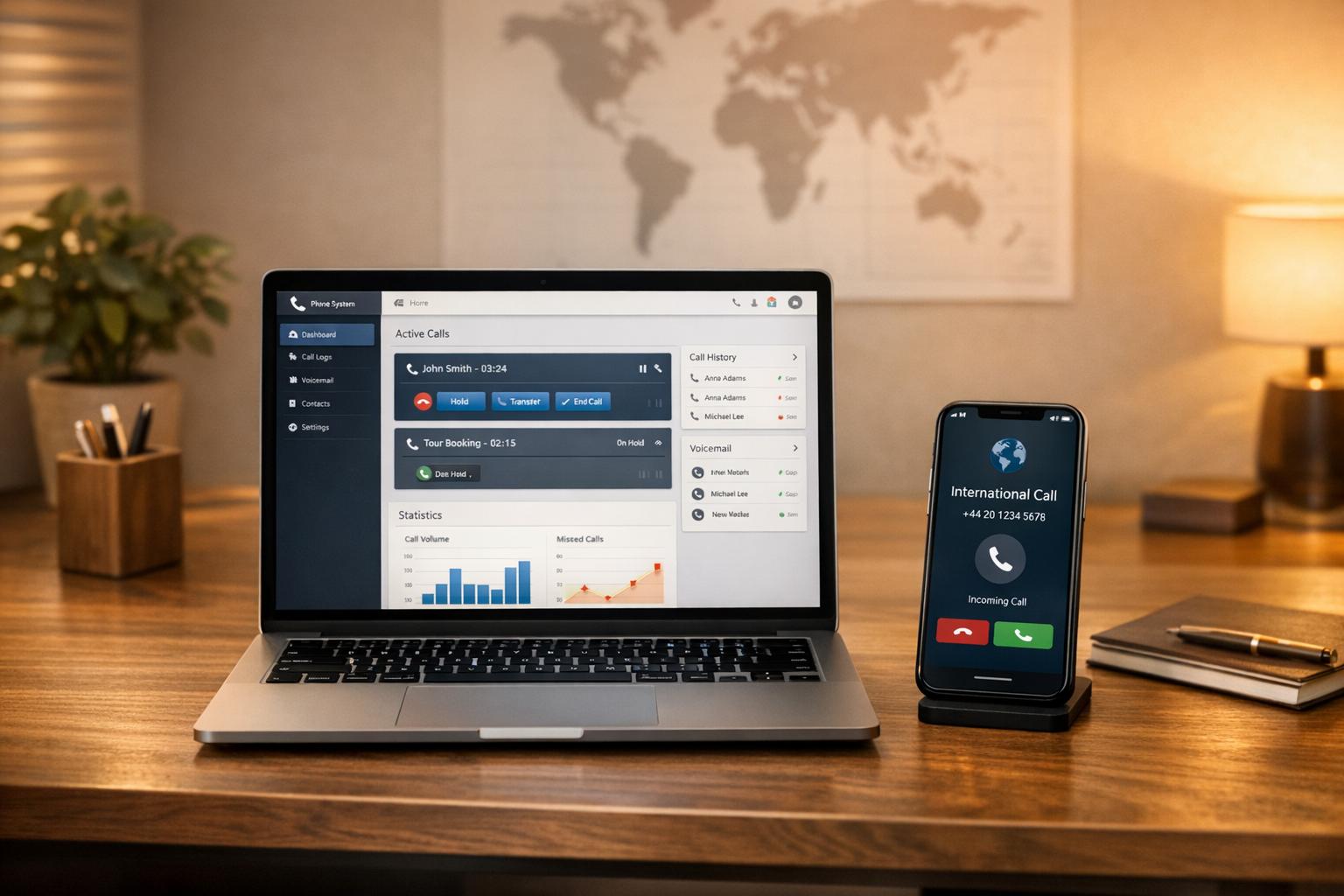
Many tour folks use chats or calls to set up trips. This is okay for a few asks, but it gets too much as you get more work. You end up using a lot of time on questions about when, how much, and how to pay.
Paying through social sites is hard too. Customers must go to things like PayPal or Venmo. This may cause them to leave, mainly for costly trips where they want safe, top ways to pay.
Also, it's hard to keep your dates in check. Without one system to book, you must track times by hand or use more tools. This could lead to booking the same slot more than once and cause big mix-ups as more people ask for spots.
Scalability
Social media is good when you’re small and can talk back fast to every text or word. But as you get bigger, it's hard to keep up with all the asks.
Putting your stuff in order for each kind of trip is hard too. Unlike a site with set pages for each type of tour, your posts on social media all mix up. People often scroll a lot to find what they want.
As you offer more, showing all you do gets tough. New posts get seen a lot, but old posts get lost. This makes it hard for folks to see all you offer, which could stop you from making more money.
Social media also limits how much you can say in posts. Full plans, safe tips, and booking rules - key for big trips - don't fit well. This makes you send people away for more info, which might make some leave.
sbb-itb-3dd36ef
Good and Bad Sides
Each way has good and bad points. What you pick depends on what you want, how much you can spend, and how fast you want to grow. Let's look at how each choice does in terms of cost, reach, and what you need to run it.
Social media is a cheap way to test if people are interested and to get more seen and involved fast. Sites like Instagram are great for showing places in pictures, while Facebook groups let you talk right to possible buyers.
But, just using social media can be bad. You are using sites you don't own, so there are risks. Also, people might not want to pay through these ways, more so if it's a lot of money.
On the other hand, having a website means you control your own space. It lets you take safe, set-up bookings, tells more about your trips, and helps bring in people who want what you offer. Even though it could cost more at first, it helps make things run smooth as you get bigger.
| Factor | Website | Social Media Only |
|---|---|---|
| Start Costs | Money needed upfront | Free or very cheap to start |
| Get to People | Small then but grows with SEO | Fast way to a big group of people |
| Make a Booking | Set and secure ways to pay | Need to message to book, not automated |
| Run of Things | You pick how things look | Must follow rules of the platform |
| Trust by Buyers | Looks good and trusted | Needs good word from others |
| Grow Fast | Good with handling many bookings | Hard to manage when very busy |
| Show on Searches | Good for showing up in searches | Only shows to those on the platform |
| Set Up Content | Clear and easy to go through | Old posts can get lost as time goes on |
Each way has its upsides, but how they cope with growth is key to think on. Social media is good for a few queries but gets tough as more people join. A good site, though, grows easy - users can check what's open, look at full details, and set up visits without much back and forth.
For new trip hosts, the choice mostly comes down to what's most important. If you want a cheap way to try out the market, social media is a great first step. But if you aim to build a big and neat business, putting money into a site early is a wise plan.
Final Recommendation
If you're a new tour operator in the U.S., a smart way to get started is by focusing on social media to establish your presence while planning for a website down the road. Platforms like Facebook and Instagram offer a cost-effective way to launch quickly and test the waters to see how your market responds.
Once you start seeing bookings and getting feedback, it’s worth considering an investment in your own website. A professional site not only enhances your brand but also allows for secure transactions, making it easier for travelers - especially those who prefer researching online - to find and book your tours. This step-by-step approach helps you build both immediate connections and long-term credibility.
Social media is a fantastic tool for engaging with your audience and learning what works, but a well-designed website is essential for scaling your business. The right balance between quick social media outreach and a solid booking system is key to steady growth. Many successful tour operators combine these strategies to drive bookings now while laying the groundwork for future expansion.
If you’re unsure about which booking platform or tech tools to use as you grow, Directoury offers free guidance tailored specifically for experience-focused businesses like tour companies.
FAQs
What are the risks of running my tour business only through social media?
Relying entirely on social media to run your tour business might seem convenient, but it comes with some serious risks. For starters, you don’t actually own your social media presence. Platforms can change their algorithms or policies at any time - or even suspend your account without notice. This could throw a wrench into your bookings and disrupt how you communicate with customers.
On top of that, as your business grows, handling bookings and customer inquiries through social media alone can quickly spiral into chaos. Without a centralized system, it’s easy to lose track of messages, payments, or schedules, which could lead to costly mistakes or missed opportunities.
Lastly, while social media is fantastic for marketing, it doesn’t give you full control over your brand. A dedicated website not only looks more professional but also builds trust with customers - something social platforms just can’t match.
Why is having a website important for building trust and credibility in my tour business?
A website serves as your business's professional online storefront, playing a key role in building trust and credibility. It’s where you can highlight your tours, share glowing customer reviews, and provide all the details potential clients need to feel confident about booking with you.
Unlike social media, a website puts you in complete control of your brand’s image and messaging. It also lends legitimacy to your business - people often expect a polished website when researching services. Beyond that, it’s an excellent platform to offer secure booking options and gather customer information, setting the stage for future marketing efforts.
When should I move from using only social media to creating a website for my tour business?
Social media is an excellent way to connect with your audience and land those first bookings. But if you're aiming to grow your brand, simplify booking processes, or expand your business, having your own website becomes a must.
A website gives you the tools to present your tours in the best light, handle payments securely, and offer a smooth booking experience. It also adds a layer of trust and credibility, especially for customers who aren't active on social media. While platforms like Instagram or Facebook are fantastic for marketing, a website serves as your business's central hub - one that you fully own and control.