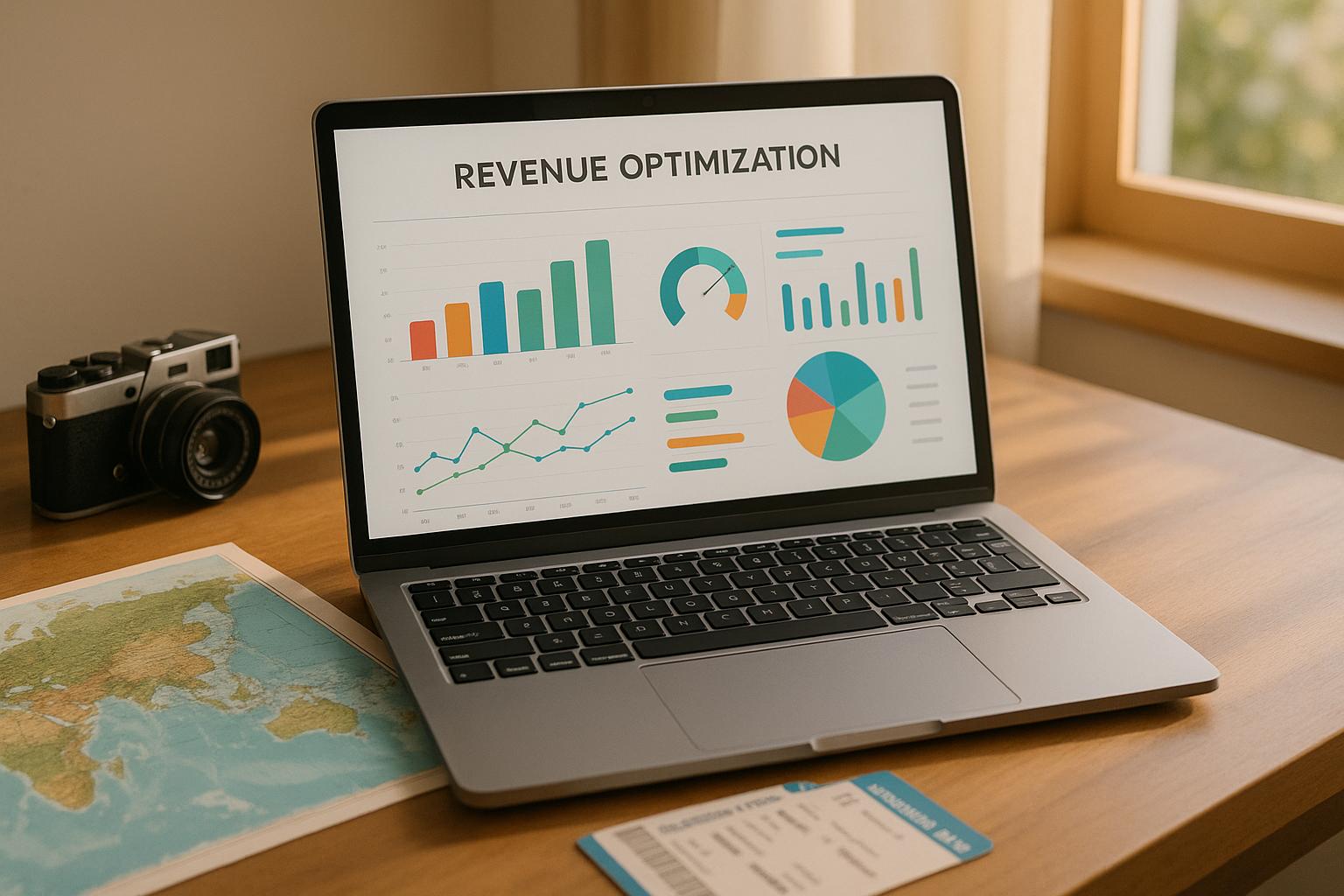
Revenue optimization for tours is about using data and technology to adjust pricing, manage inventory, and personalize offerings to maximize income per booking. This guide breaks down how tour operators can boost revenue by leveraging dynamic pricing, market segmentation, upselling, and the right tech tools. Key takeaways include:
- Dynamic Pricing: Adjust prices in real time based on demand, seasonality, and booking trends. Example: A pirate-themed cruise increased revenue by 20% with weekday/weekend pricing adjustments.
- Market Segmentation: Tailor packages for specific groups (e.g., families, corporate clients, adventure seekers) to meet their unique needs and budgets.
- Upselling & Cross-Selling: Offer add-ons like VIP upgrades, merchandise, or bundled experiences during the booking process to increase per-customer revenue.
- Technology Solutions: Use booking platforms, channel management systems, and AI-powered tools to automate pricing, manage inventory, and analyze customer data.
How to Price Tours for Profit: Boost Your Profits by 40% [1/9]
Main Revenue Optimization Strategies for Tour Operators
To turn revenue concepts into actionable results, tour operators can rely on three key strategies: dynamic pricing, market segmentation, and upselling and cross-selling. Together, these approaches help businesses adapt to changing markets while meeting customer needs.
Dynamic Pricing
Dynamic pricing means adjusting tour prices in real time based on factors like demand, seasonality, booking trends, and availability. For instance, a summer whale-watching tour might be priced at $120 during peak demand, but drop to $85 in the quieter month of October.
Real-world examples show how effective this strategy can be. North Shore Landing, a pirate-themed cruise company, used Peek Pro's pricing tool to fine-tune weekday and weekend rates. The result? A 20% revenue increase and more balanced bookings throughout the week. Similarly, Catalina Island Conservancy tweaked weekday pricing during summer 2023, boosting revenue by 12% on Tuesdays and 9% on Wednesdays, leading to a 6% overall revenue lift.
To implement dynamic pricing, invest in software that automates price adjustments based on real-time data. Using historical booking trends and keeping an eye on market conditions are essential for setting effective pricing rules.
While dynamic pricing focuses on real-time adjustments, market segmentation ensures you’re tailoring your offerings to distinct customer groups.
Market Segmentation
Market segmentation involves dividing your customer base into specific groups based on factors like demographics, travel goals, or group size. By customizing pricing, marketing, and tour options for each segment, you can better meet their needs and capture more value.
Here are a few examples of segmentation in action:
- Families with children: Offer packages with child discounts and family-friendly activities.
- Corporate clients: Create premium experiences, such as private tours or exclusive access.
- Adventure seekers: Include add-ons that appeal to thrill-seekers, like zip-lining or kayaking.
Analyzing customer data is crucial for identifying profitable segments. This allows you to craft marketing messages and pricing strategies that resonate with each group’s preferences and budget.
Once you’ve optimized pricing and tailored your offerings, the next step is to enhance each booking with additional purchases.
Upselling and Cross-Selling
Boosting revenue per customer doesn’t always mean attracting new ones. Upselling and cross-selling are powerful ways to increase earnings from existing bookings. Upselling involves encouraging customers to upgrade to a higher-value option, while cross-selling focuses on offering complementary products or services.
Examples of upselling include offering VIP seating with better views, private guides, or exclusive access to certain areas. Cross-selling might involve selling branded merchandise like t-shirts or mugs, photo packages, or bundling experiences - like combining a daytime tour with a sunset dinner cruise.
To make these strategies effective, present add-ons naturally during the booking process. Listing options in descending order of price can subtly encourage premium choices. Additionally, training staff to recognize upselling and cross-selling opportunities ensures these offers enhance the customer experience. Even small pricing tactics, like setting items at $99 instead of $100 (known as the "rule of 9's"), can make a noticeable difference.
Technology Solutions for Revenue Optimization
The right technology can turn revenue optimization from a guessing game into a precise, data-driven process. Modern tour operators now depend on integrated software to automate pricing, manage inventory across multiple channels, and gain actionable insights. These tools aren't just about convenience - they make it possible to implement strategies like dynamic pricing and inventory management with accuracy and efficiency.
Core Tools for Optimization
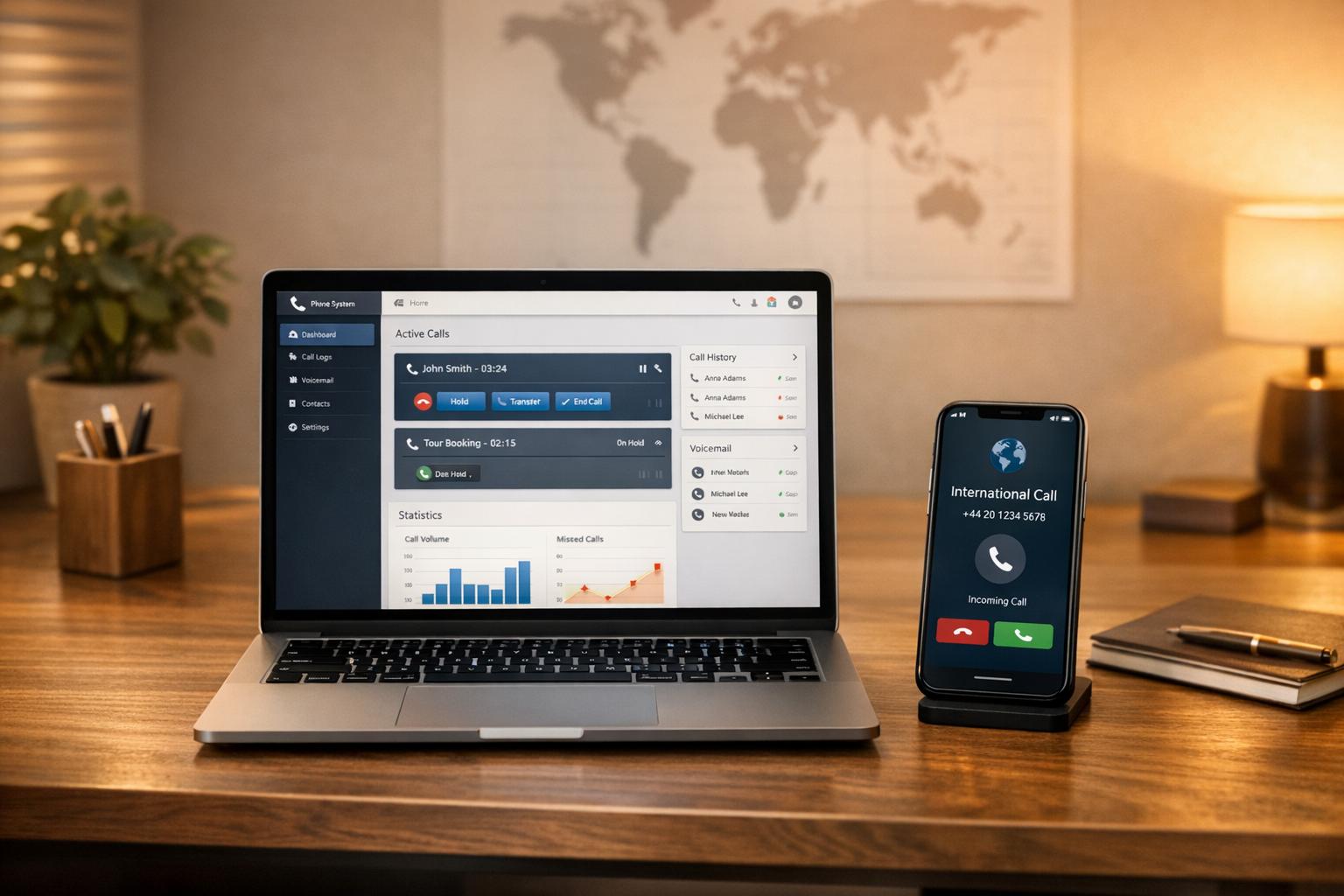
Booking platforms are the backbone of revenue optimization. These systems handle reservations, manage real-time inventory, and process payments while allowing flexibility for dynamic pricing strategies. The best platforms integrate directly with your website and support payment methods that U.S. customers expect, ensuring a seamless experience for both operators and travelers.
Channel management systems solve the challenge of managing inventory across multiple sales channels. They sync inventory and pricing across your website, online travel agencies (OTAs), and reseller platforms, all from a single dashboard. This automation eliminates the risk of overbooking or inconsistent pricing, common issues when updates are done manually.
Revenue management software brings advanced, airline-style pricing strategies to the tour industry. These tools analyze historical booking trends, current demand signals, and competitor pricing to dynamically adjust rates throughout the day. Operators using these systems have seen measurable revenue growth by aligning prices with real-time demand.
When choosing these tools, integration is key. Platforms should work together seamlessly, avoiding data silos that can disrupt operations. Prioritize solutions with strong integration capabilities, mobile accessibility, and the ability to handle both imperial and metric units for diverse tour offerings.
Analytics and Data Reporting Systems
Raw booking data becomes powerful when transformed into insights. Analytics platforms track important metrics like average booking value, occupancy rates, and revenue per available tour (RevPAT). These insights reveal trends and opportunities for optimization that might not be obvious from daily operations.
Detailed reporting tools help operators dive deeper into their data, offering the intelligence needed for better decision-making. For example, analytics can uncover which customer segments are the most profitable, which add-ons perform best with specific tours, and when demand typically peaks throughout the year. Armed with this information, operators can fine-tune pricing, allocate inventory more effectively, and even adjust marketing budgets for better returns.
Advanced analytics also open the door to personalized upselling and cross-selling. By examining customer preferences and past bookings, operators can automatically suggest relevant add-ons during the booking process, boosting average order values without extra effort.
How Directoury Supports Technology Adoption

Navigating the world of software solutions can feel overwhelming, but Directoury simplifies the process. Acting as a specialized marketplace, Directoury connects tour operators with pre-vetted software vendors who understand the unique needs of the experience economy.
Instead of spending weeks researching booking platforms, channel management systems, or analytics tools, operators can find expert advice and side-by-side comparisons in one place. Directoury helps evaluate solutions for every aspect of the business, from industry-specific needs like dynamic pricing to broader operations like HR, payroll, and marketing automation.
Using AI-powered recommendations, Directoury matches operators with tools tailored to their business size, goals, and specific challenges. This targeted approach reduces the risk of costly mistakes during implementation and ensures that new tools integrate smoothly with existing systems.
With a network of over 200 verified software vendors and an extensive library of buyer's guides, Directoury streamlines the technology selection process. Plus, operators gain free access to educational resources designed to maximize the value of their technology investments.
sbb-itb-3dd36ef
Best Practices for Revenue Optimization Implementation
Maximizing revenue isn't a one-and-done task - it’s an ongoing process. The most successful operators continually refine their strategies, treating optimization as a dynamic effort that evolves with market conditions.
Review and Adjust Pricing Regularly
Make it a habit to review your pricing monthly - or even more frequently during peak seasons or when market conditions shift. The secret is knowing which metrics to monitor. Pay attention to booking volume, average ticket price, occupancy rates, and profit margins, while also keeping an eye on competitor pricing and seasonal demand trends. Businesses that adjust pricing based on these metrics have reported revenue increases of up to 20%.
"The reporting capabilities in Checkfront are impressive. Custom reports, detailed analytics, and export options give us the data we need for business intelligence and decision making. The API access allows for advanced data extraction." - Thomas Garcia, Tour Operator Professional
Seasonal adjustments are critical. They help you capitalize on periods of high demand while staying competitive during slower times. Regular pricing tweaks also create opportunities for upselling and improving team performance.
Train Staff in Upselling and Cross-Selling
Your team plays a pivotal role in boosting revenue. Equip them with clear scripts and role-play exercises so they can confidently recommend add-ons. Incentives like commissions or bonuses can further motivate them to succeed. A well-trained team complements dynamic pricing by ensuring every customer interaction is geared toward maximizing revenue.
One effective tactic? Present add-on options in descending order of price. When customers see the highest-priced options first, they’re more likely to view mid-range options as reasonable, which can lead to higher conversion rates.
Here’s an example: an operator significantly increased revenue by offering bundled packages that included items like t-shirts, mugs, and gratuity add-ons during the booking process. By integrating upselling prompts into your booking software, you can ensure these opportunities aren’t missed.
Balance Direct and Third-Party Distribution
Direct bookings are more profitable since they avoid the 15-30% commission fees charged by third-party platforms. But relying solely on direct bookings means missing out on the broader reach and customer base that third-party channels provide. The key is finding a balance that supports both profitability and market expansion.
Strategically allocate your inventory across channels. Reserve premium experiences and exclusive packages for direct customers, while using third-party platforms for standard offerings. This approach ensures you maintain high margins on valuable sales while still capturing volume through reseller networks.
To encourage direct bookings, offer perks like early access to new tours, loyalty rewards, or exclusive discounts. For example, some operators provide premium seating upgrades or exclusive photography packages only to direct customers, creating a clear incentive to book through their website.
Here’s a quick breakdown of distribution strategies:
| Distribution Strategy | Advantages | Best Use Cases |
|---|---|---|
| Direct Bookings | Higher margins, better control over customer data, stronger relationships | Premium packages, repeat customers, exclusive experiences |
| Third-Party Platforms | Wider market reach, established customer trust, reduced marketing effort | Standard packages, new market entry, volume bookings |
| Balanced Approach | Optimized margins and reach, reduced reliance on any single channel | Businesses aiming for steady growth |
Regularly review your contracts with third-party platforms to ensure you’re getting competitive commission rates. As your business grows, you may even gain leverage to negotiate better terms or exclusive promotional opportunities.
The goal isn’t to cut out third-party channels entirely but to reduce reliance on them while building a strong foundation for direct bookings. Businesses that strike this balance often see higher profitability, even if their total booking volume remains consistent.
Future Trends in Tour Revenue Optimization
Tour operators are navigating a landscape shaped by rapid technological advancements and shifting customer expectations. Those who adapt to these changes stand to gain a competitive edge in maximizing revenue. The trends discussed here build on established strategies while opening doors to next-level revenue opportunities.
AI-Driven Pricing and Personalization
Artificial intelligence is reshaping how tour operators price their offerings and connect with customers. AI systems analyze vast amounts of data - such as demand trends, competitor pricing, weather, and customer behavior - to make real-time pricing decisions. This goes beyond traditional seasonal adjustments, allowing prices to shift dynamically based on immediate market conditions.
AI-driven pricing models have shown the potential to increase revenue by 10-20% compared to static pricing approaches. These systems continuously learn from booking patterns and market signals, ensuring prices capture maximum value without compromising occupancy. For operators, this means avoiding underpricing during peak demand or overpricing during slower periods. It’s a smarter, more flexible approach to dynamic pricing.
AI also enables deeper personalization by analyzing individual customer data - like previous bookings and browsing habits - to create tailored experiences. Instead of offering the same tour package to everyone, operators can suggest unique experiences, add-ons, or pricing options that align with each customer’s preferences.
Personalized recommendations can drive conversion rates up by as much as 30%. For instance, an AI system might suggest a private culinary tour to someone who has shown interest in food-related experiences or offer photography packages to customers who’ve purchased similar add-ons in the past.
However, implementing AI effectively requires high-quality data and robust technology infrastructure. Starting with pilot programs for specific tours or customer segments can help operators test and refine their approach before scaling AI across their operations.
Growth of Add-On Revenue Streams
Maximizing revenue often hinges on making the most of every customer interaction. Add-ons can contribute an additional 10-20% to total booking revenue when actively promoted, making them an accessible way to boost profitability.
Popular add-ons include private tour upgrades, exclusive behind-the-scenes experiences, premium transportation, branded merchandise, and professional photography packages. For instance, if data shows a high demand for photography packages, operators can develop and market this offering more aggressively.
Technology plays a key role in identifying and capitalizing on these opportunities. Analytics platforms help pinpoint which add-ons resonate most with customers, which demographics are likely to purchase them, and how to price them effectively.
Bundling is another effective strategy. Instead of selling add-ons individually, operators can create packages that combine core tours with complementary experiences. For example, a city walking tour might include a food tasting, or an adventure tour could come with professional photos and branded gear. Bundles not only increase perceived value but also simplify decision-making for customers.
The most successful operators integrate add-ons directly into their booking process, using prompts and recommendations to guide customers toward higher-value purchases. This requires booking software capable of handling complex configurations while maintaining a seamless user experience.
Focus on Direct Bookings and Cloud-Based Platforms
Direct bookings are becoming increasingly important for tour operators aiming to reduce reliance on third-party platforms and their associated commissions. Shifting focus to direct channels allows operators to capture more revenue and deliver greater value to customers.
Cloud-based platforms are enabling this transition by offering the tools operators need to compete with major booking sites. These platforms provide real-time inventory management, automated pricing, payment processing, and integrated marketing tools - all accessible from anywhere with an internet connection.
Cloud-based systems empower operators to make data-driven decisions, optimizing revenue strategies in real time. Unlike traditional software, which often requires manual updates, cloud platforms are flexible and can adapt quickly to changing business needs.
Beyond saving on commissions, direct bookings offer other advantages. Operators gain access to valuable customer data, control the entire booking experience, and build stronger relationships with their audience. This data can then fuel personalized marketing efforts, targeted upselling, and improved customer service.
Success in direct bookings, however, requires more than just the right platform. Operators must invest in digital marketing, search engine optimization, and customer acquisition strategies to drive traffic to their websites. Combining direct booking initiatives with selective use of third-party channels can help operators balance market reach with profitability.
| Revenue Strategy | Technology Requirements | Expected Impact |
|---|---|---|
| AI-Driven Pricing | Advanced analytics and real-time data | 10-20% revenue increase |
| Add-On Optimization | Analytics tools, booking system integration | 10-20% additional revenue per booking |
| Direct Booking Focus | Cloud-based platforms, CRM, marketing tools | Higher margins, better customer data |
Directoury connects tour operators with software providers specializing in AI-driven pricing, add-on revenue tools, and cloud-based booking platforms. This marketplace simplifies the process of finding and evaluating the right technology to implement these strategies.
Operators who act quickly to adopt AI pricing, expand add-on offerings, and strengthen direct booking channels will position themselves for long-term success. The tools to achieve this are already available - the real question is how fast operators will embrace them to stay ahead in an evolving industry.
Conclusion
Maximizing revenue isn’t just about setting the right prices - it’s about combining strategic pricing, precise marketing, and advanced technology to make every booking count. These approaches build on the principles we’ve explored, helping to boost overall profitability.
When technology is paired with analytics, it opens the door to smarter, data-driven decisions. This not only uncovers key performance trends but also highlights areas ripe for improvement.
The results speak for themselves. Effective revenue optimization requires ongoing price adjustments and consistent staff training to stay ahead in a competitive market.
As highlighted earlier, adopting cutting-edge technology doesn’t just fine-tune pricing for today - it equips operators to tackle future challenges. Tools like AI-driven pricing models, expanded add-on offerings, and a focus on direct bookings position businesses for long-term success.
FAQs
What’s the best way for tour operators to use dynamic pricing without upsetting customers?
Dynamic pricing can be an effective way for tour operators to boost revenue, but it needs to be handled carefully to maintain customer confidence. One key step is to be upfront about why prices change. For instance, let customers know that rates may shift due to factors like demand, seasonal trends, or how far in advance they book.
To keep customers on board, make sure your pricing feels reasonable and predictable. You can also encourage early bookings by offering perks like early-bird discounts or exclusive deals. Using data-driven tools to study customer behavior can help you set price ranges that match what the market expects. Striking the right balance between flexibility and transparency not only helps you increase revenue but also leaves customers feeling valued.
How can I segment my market to create tailored tour packages for different customer groups?
Segmenting your market allows you to create travel packages that align with the preferences of specific customer groups, leading to happier travelers and higher revenue. To get started, focus on key traits such as age, hobbies, travel styles, and budget. For instance, families often look for kid-friendly activities, while thrill-seekers might lean toward outdoor adventures.
Tap into insights from past bookings, customer reviews, and surveys to fine-tune these segments. You can also factor in seasonal travel trends or regional preferences to tailor your offerings even further. When your packages match the unique needs of each group, you not only provide a more personalized experience but also build stronger customer loyalty.
How can AI-powered pricing and analytics tools help tour operators maximize revenue?
AI-powered pricing and analytics tools provide tour operators with the ability to fine-tune their revenue strategies. By analyzing essential data points - like demand patterns, customer preferences, and competitor pricing - these tools help businesses adjust prices in real time. The result? Operators can stay competitive while also maximizing their profits.
Platforms such as Directoury bridge the gap between tour operators and advanced tech solutions designed specifically for their needs. These tools simplify the implementation process, allowing businesses to harness AI for smarter, data-driven decisions that not only drive growth but also improve the overall customer experience.